Uncategorized

The Complete Guide to Dustless Sanding Machine
The Complete Guide to Dustless Sanding Machine — dustless sanding machine
The Complete Guide to Dustless Sanding Machine — dustless sanding machine
Dustless Sanding vs Traditional Sanding: Which Is Better for Hardwood Floors? — dustless sanding hardwood floors
Table of Contents The Critical First Hours: The Curing Process Begins First 24 Hours: The “Look, Don’t Touch” Rule First
How to Choose a Hardwood Floor Color: An Expert’s Guide for Rockford, IL Homeowners Choosing the perfect hardwood floor color
Table of Contents How Long Does Hardwood Floor Refinishing Take? The Honest Answer from Rockford’s Experts The Ramos Wood Floors
Engineered vs Solid Hardwood Flooring is an important consideration for homeowners in the Rockford, IL area. Engineered vs. Solid Hardwood
Our Services:
Hardwood Floor Installation · Floor Refinishing · Floor Repair · Vinyl Plank Flooring · Laminate Flooring · Staircase Refinishing · Subfloor Repair · Free Estimate
Areas We Serve:
Loves Park · Machesney Park · Roscoe · Rockton · Cherry Valley · Belvidere · All Service Areas
Our blog features in-depth guides written for homeowners in Rockford, Loves Park, Machesney Park, Roscoe, Rockton, Cherry Valley, and Belvidere. Each article addresses questions we hear from customers and challenges specific to northern Illinois homes — from seasonal humidity effects on hardwood to choosing the right finish for high-traffic areas.
Browse by topic below, or search for a specific question. If you do not find the answer you need, call (917) 957-0253 or request a free estimate — we are happy to answer your questions in person.
Welcome to the Ramos Wood Floors blog, where we share expert advice, project insights, and practical tips for homeowners in Rockford, Illinois, and surrounding communities. Our articles cover hardwood refinishing, installation, maintenance, repairs, and product comparisons to help you make informed decisions about your flooring projects.
Our most-read articles focus on practical questions that Rockford homeowners ask every day: How long does refinishing take? What is the difference between engineered and solid hardwood? How do I care for my floors after refinishing? Browse our recent posts below to find answers to these questions and more.
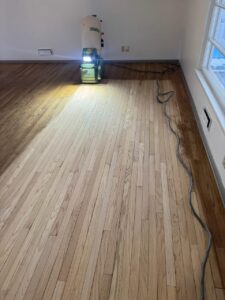
The Complete Guide to Dustless Sanding Machines — Learn how dustless sanding equipment works, why it matters for your home, and what to expect during a dustless refinishing project. This guide covers the equipment, the process, and the benefits for occupied homes.
Dustless Sanding vs Traditional Sanding — A detailed comparison of dustless and traditional sanding methods, including cost differences, cleanup time, and health considerations. This article helps homeowners decide which method is right for their project.
Hardwood Floor Care After Refinishing — Proper care after refinishing extends the life of your floors. This guide covers the curing process, cleaning schedules, furniture placement, and rug placement timing. Learn what to do in the first 24 hours, the first week, and the first month after refinishing.
How to Choose Hardwood Floor Color — Choosing the right stain color is one of the most important decisions in a refinishing project. This guide explains how wood species affect stain appearance, how lighting changes color perception, and how to test stain samples before committing.
How Long Does Hardwood Floor Refinishing Take? — A realistic timeline for hardwood refinishing projects, from preparation through final cure. This article breaks down each step: sanding, staining, finish application, and drying time. Learn what factors can extend the timeline and how to plan around the process.
Engineered vs Solid Hardwood Flooring — Understanding the difference between engineered and solid hardwood helps homeowners choose the right product for their needs. This guide compares durability, cost, installation methods, and suitability for different rooms and subfloor types.
Since 2003, Ramos Wood Floors has served the Rockford area with professional hardwood flooring services. Our blog articles are written from real project experience, not generic advice. We answer the questions our customers ask most often, and we share what we have learned from hundreds of flooring projects across northern Illinois. Contact us at (917) 957-0253 for a free estimate on your next flooring project.
Proper maintenance extends the life of your hardwood floors. Sweep or dust mop daily to remove abrasive particles. Use a damp mop with a pH-neutral cleaner designed for hardwood floors. Avoid steam mops, which can damage the finish and cause warping. Place felt pads under furniture legs and rearrange area rugs periodically to ensure even wear.
Rockford's climate brings humid summers and dry winters. During winter, use a humidifier to maintain 35 to 50 percent humidity and prevent gaps between boards. In summer, use air conditioning or a dehumidifier to prevent cupping. Monitor humidity levels with a simple hygrometer, especially in rooms with large windows or poor ventilation.
Hardwood floor warranties vary by manufacturer and installer. Finish warranties typically cover wear-through for 15 to 25 years, while structural warranties cover manufacturing defects for the life of the floor. Workmanship warranties from Ramos Wood Floors cover installation quality for 2 years. Always read the warranty terms carefully and keep your installation records.
When selecting a flooring contractor in the Rockford area, consider experience, insurance, references, and warranty coverage. Ask about dust containment methods, finish systems used, and project timelines. A reputable contractor will provide a written estimate, explain the process, and answer questions about preparation, installation, and cleanup.
Current flooring trends in the Rockford area include wider plank hardwood (5 to 7 inches), matte and low-gloss finishes, natural tones, and textured surfaces. Engineered hardwood continues to gain popularity for its stability and moisture resistance. Gray stains and whitewashed finishes remain popular for modern interiors, while traditional amber tones suit historic Rockford homes.
Budgeting for a flooring project requires understanding the full scope. Beyond materials and labor, consider subfloor preparation, furniture removal, demolition of existing flooring, and transition strips. Refinishing is typically the most cost-effective option, costing 3 to 8 dollars per square foot. New installation ranges from 6 to 12 dollars per square foot depending on wood species and finish type.
Many homeowners wonder whether they can install hardwood floors themselves. While DIY installation is possible for experienced handymen, it carries significant risks. Improper acclimation, incorrect moisture testing, and poor subfloor preparation can lead to buckling, gaps, and warranty voiding. Professional installation ensures proper techniques, equipment, and materials for a lasting result.
How do you know when it is time to refinish? Look for these signs: deep scratches that catch your fingernail, discoloration from sun exposure, water stains or dark spots, finish wearing through to bare wood in high-traffic areas, or a dull appearance that does not improve with cleaning. If your floors show any of these signs, refinishing can restore their original beauty.
Not all damaged floors need full replacement. Minor scratches, small water stains, and localized damage can often be repaired through spot refinishing or board replacement. Full replacement is typically necessary when there is structural damage, extensive termite or water damage, or when the wood has been refinished too many times. A professional assessment can determine the most cost-effective approach.
A screen and recoat is a lighter process that refreshes the existing finish without sanding down to bare wood. It costs less and takes less time, but it only works if the finish is lightly worn and there are no deep scratches or stains. Full refinishing involves sanding to bare wood, which allows for color changes and removes deep damage. A professional can help you decide which option is right for your floors.
Proper preparation makes your refinishing project smoother and faster. Remove all furniture from the rooms being refinished. Take down wall hangings and window treatments that could be damaged by dust. Cover electronics and vents with plastic sheeting. Plan for alternative living arrangements during the project, as you will not be able to walk on the floors for at least 24 hours. Clear the driveway or parking area for the contractor's vehicle and equipment.
Different rooms have different flooring needs. Kitchens and bathrooms require water-resistant options like engineered hardwood or luxury vinyl plank. Living rooms and dining rooms are ideal for solid hardwood. Bedrooms benefit from the warmth and quiet of hardwood with area rugs. Basements require engineered hardwood or laminate due to moisture concerns. Entryways need durable finishes that can handle dirt and moisture.
Hardwood flooring comes in different grades that affect appearance and price. Clear grade has minimal color variation and few character marks. Select grade allows some natural variation. Common grade includes more knots, mineral streaks, and color variation. Character grade embraces natural imperfections for a rustic look. Understanding these grades helps you choose the right look for your home.
There are three primary installation methods for hardwood flooring. Nail-down installation is the traditional method for solid hardwood over wood subfloors. It uses a pneumatic nailer to secure each board through the tongue. Glue-down installation is used for engineered hardwood over concrete subfloors, using a moisture-resistant adhesive. Floating installation connects boards to each other but not to the subfloor, making it ideal for basements and areas where moisture is a concern. Each method requires specific preparation and tools.
Hardwood floors can develop several common issues over time. Gaps between boards often appear in winter when humidity drops and wood contracts. Cupping occurs when the bottom of the board absorbs more moisture than the top, creating a concave shape. Crowning is the opposite, where the center of the board rises above the edges. Buckling happens when floors lift off the subfloor due to excessive moisture. Most of these issues can be prevented with proper humidity control and addressed by a professional if they occur.
Hardwood flooring is an environmentally friendly choice compared to synthetic alternatives. Wood is a renewable resource, and sustainable forestry practices ensure that harvested trees are replanted. Hardwood floors last decades longer than carpet or vinyl, reducing landfill waste. They do not harbor dust mites, allergens, or mold, improving indoor air quality. When properly maintained, hardwood floors can be refinished multiple times, extending their lifespan to 100 years or more.
Hardwood flooring consistently ranks among the top features homebuyers look for. According to the National Association of Realtors, homes with hardwood floors sell for more and spend less time on the market. Refinishing existing hardwood before selling is one of the highest-ROI home improvements, typically returning more than the cost. For homeowners planning to sell, refinishing is a smart investment that pays off in both faster sales and higher offers.
How long does hardwood floor installation take? A typical room takes 1 to 2 days for installation and 2 to 3 days for finishing. Can hardwood be installed over concrete? Yes, engineered hardwood can be glued down or floated over concrete with proper moisture testing. How soon can I walk on refinished floors? Light foot traffic in socks is usually safe after 24 hours, with furniture placement after 48 to 72 hours. What is the best finish for pets? Matte or low-gloss finishes hide scratches best, and harder wood species like oak or hickory resist dents.
Hardwood floor finishes fall into three main categories. Polyurethane is the most common, available in water-based and oil-based formulas. Water-based polyurethane dries fast, has low odor, and maintains the wood's natural color. Oil-based polyurethane adds a warm amber tone and is extremely durable. Hardwax oil finishes penetrate the wood for a natural matte look and allow spot repairs. Penetrating oil finishes offer a similar natural appearance with moderate protection.
Wood is a natural material that expands and contracts with humidity changes. In summer, humidity rises and wood absorbs moisture, causing slight expansion. In winter, heating dries the air and wood contracts, creating small gaps between boards. This seasonal movement is normal. However, large gaps, cupping, or buckling indicate moisture problems that need professional attention. Maintaining indoor humidity between 35 and 50 percent minimizes excessive movement.
Several factors affect the cost of a hardwood flooring project. Wood species ranges from affordable oak to premium hickory or exotic woods. Wider planks cost more than standard widths. The finish type affects both material and labor costs. Subfloor repairs, demolition of existing flooring, and furniture removal add to the total. Refinishing typically costs 3 to 8 dollars per square foot, while new installation ranges from 6 to 12 dollars per square foot.
Many older homes in the Rockford area have original hardwood floors hidden under carpet or damaged by decades of wear. Before refinishing, test for lead paint if the home was built before 1978. Inspect the subfloor for structural damage, squeaks, or rot. Original hardwood can often be restored if the boards are at least 3/4 inch thick and have not been refinished too many times. Matching stain color to existing floors in adjacent rooms ensures a seamless look.
Solid hardwood is made from a single piece of wood and can be refinished multiple times. It lasts 100 years or more with proper care. Engineered hardwood has a real wood top layer over plywood, offering better moisture resistance and stability. It can be refinished once or twice depending on the veneer thickness. Laminate flooring is a synthetic product that mimics wood visually but cannot be refinished. It is the most affordable option but has the shortest lifespan of the three.