Old Floor Removal & Disposal
We remove and dispose of old flooring materials so your new floor can go in clean, level, and ready. No hauling required on your end.
What We Take Out
We handle removal of most residential and commercial flooring types — no need to find a separate hauler.
Hardwood Flooring
Solid and engineered hardwood boards, including glued-down and nail-down installations
Laminate Flooring
Floating laminate planks and the underlayment underneath
Vinyl / LVP
Peel-and-stick, floating, and glued luxury vinyl plank and sheet vinyl
Carpet
Wall-to-wall carpet, tack strips, and carpet padding
Ceramic / Porcelain Tile
Tile floors with mortar and thinset — subject to assessment for subfloor condition
Subfloor Panels
Damaged or compromised subfloor sections that need replacement before new flooring
Proper Removal Protects Your New Floor
Skipping proper subfloor preparation after old floor removal is one of the most common causes of flooring failures — squeaks, movement, adhesion issues, and moisture problems. Our removal process is designed to hand off a clean, level surface for installation.
- ✓We inspect the subfloor during removal for moisture, rot, or structural damage
- ✓Adhesive residue is scraped and prepped where applicable
- ✓Tack strips, staples, and nails are removed
- ✓Subfloor is swept clean and leveled if needed before installation begins
- ✓All removed materials are hauled off the property — nothing left behind for you to deal with
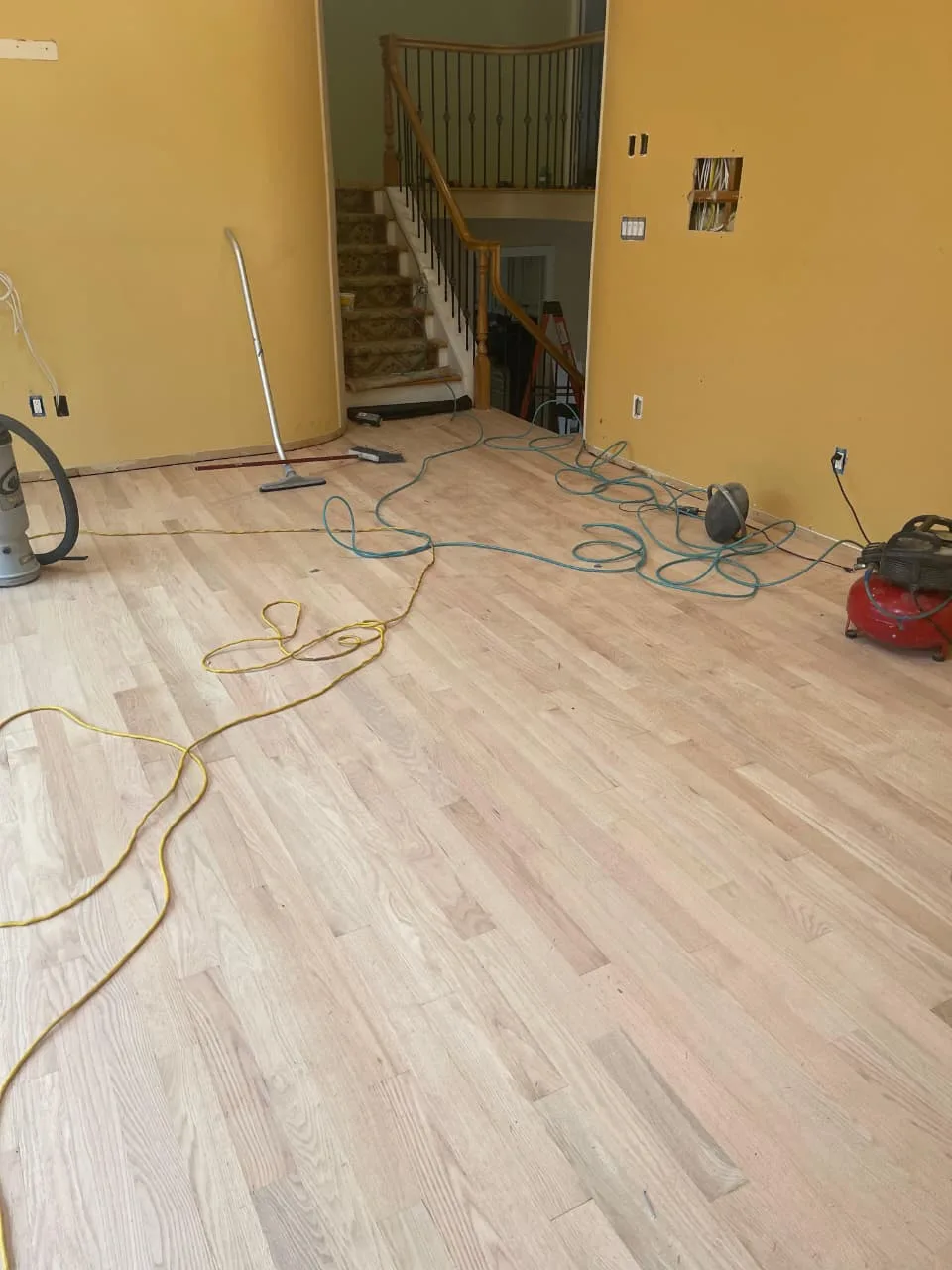
Our Removal Process
Free Estimate
We assess the flooring to be removed, identify any subfloor concerns, and give you a written price.
Removal Day
Our crew removes and stacks flooring materials, clearing room by room according to the project plan.
Subfloor Prep
We scrape adhesive, pull fasteners, patch holes, and level where needed to prep for new flooring.
Haul-Off
All removed materials are loaded and hauled away. You don't need to arrange a dumpster or haul.
Ready for Install
The space is ready for new flooring installation — often by the same crew, same week.
Pair Removal With New Flooring Installation
What Affects Floor Removal Scope and Timing
No two removal jobs are the same. The work involved depends on what is on the floor now, how it was installed, and what we find underneath. We review these factors during your free estimate so your written quote and schedule reflect your actual floor.
- How the old floor was installed. Floating laminate and click-lock vinyl usually come up faster than glued-down vinyl, glued engineered wood, or nailed solid hardwood.
- Layers and adhesive. Some homes have more than one layer of flooring, or heavy adhesive and mastic that must be scraped before new flooring can go down.
- Tile and mortar. Ceramic and porcelain tile is set in mortar or thinset, so removal is heavier work and the subfloor underneath needs a closer look.
- Square footage and access. Room size, stairs, closets, and how materials can be carried out of the home all affect the plan.
- Subfloor condition. Soft spots, water damage, or uneven areas found after removal may need subfloor repair or leveling before installation.
How to Prepare for Removal Day
- Clear furniture, rugs, electronics, and fragile items from the rooms being worked on.
- Expect noise and some dust in the work area; ask us at your estimate how the work area will be separated from the rest of the home.
- Keep pets and children away from the work area while removal is underway.
- Tell us which flooring you are installing next so the subfloor can be prepared for that product.
Older Homes: Test Before You Tear Out
Some vinyl floor tiles, sheet vinyl, and black adhesive installed in older homes can contain asbestos. If your flooring or adhesive may be decades old, mention it during your estimate. Suspect materials should be tested before removal, and any material that tests positive must be handled according to Illinois and federal requirements.
Remove or Refinish?
Removal is not always the right answer. Original hardwood hidden under carpet or worn hardwood with surface damage can often be sanded and refinished instead of replaced. See our hardwood floor refinishing service or read the signs your hardwood needs refinishing. If you are replacing the floor, our hardwood floor installation page explains what happens after the old floor is out.
Frequently Asked Questions
What types of flooring can you remove?
Do I need to arrange my own dumpster or hauling?
Do you check the subfloor during removal?
Can you install new flooring right after removal?
Get a Quote for Floor Removal
Industry Standards
Ramos Wood Floors follows National Wood Flooring Association installation guidelines and industry best practices for every project.