The 8 Most Common Hardwood Floor Problems in Rockford, IL (And How We Fix Them)
After 13+ years of dedicated service to Rockford and surrounding Northern Illinois communities, Ramos Wood Floors LLC has seen every conceivable hardwood floor problem. Our region’s climate, with its dramatic shifts from humid summers to dry, freezing winters, places immense stress on wood flooring. Homeowners frequently ask us why their once-pristine floors develop issues. The honest answer is that wood is a natural material, constantly reacting to its environment. hardwood floor problems.
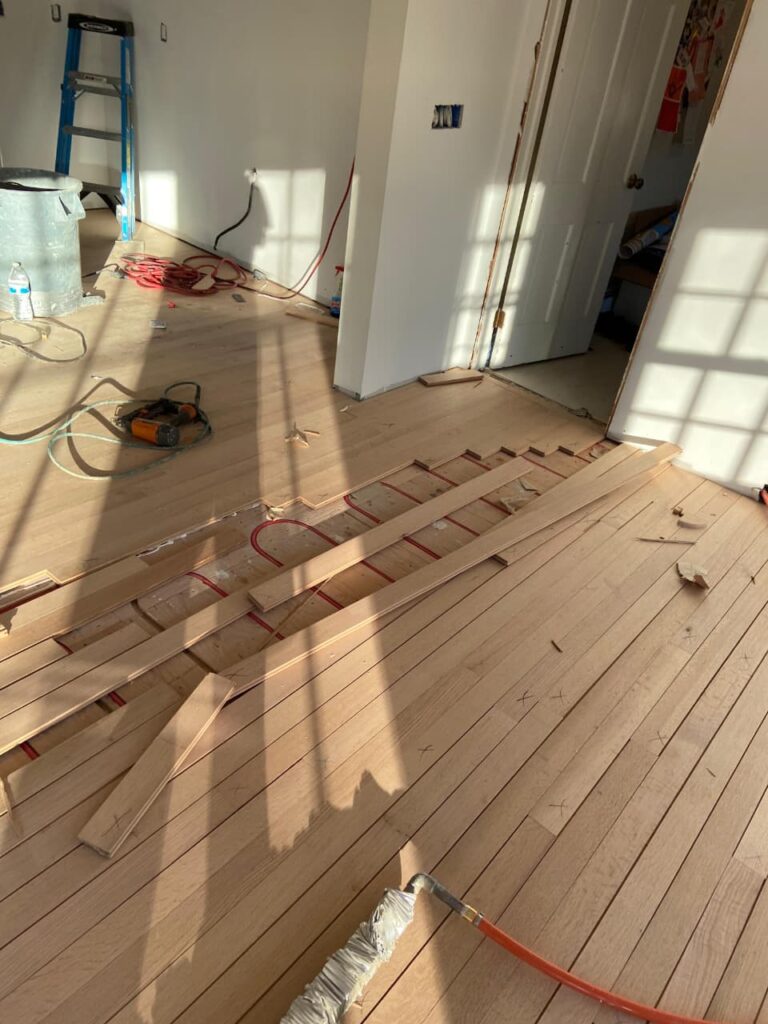
Whether your home is historic Rockford or a newer build in Loves Park, Machesney Park, or Roscoe, these issues are common. We approach each floor like a doctor diagnosing a patient, focusing on the root cause, not just the symptom. Here are the eight most common hardwood floor problems Rockford IL homeowners encounter, their causes, diagnosis, and our proven repair approaches. hardwood floor problems.
1. Cupping: When the Edges Rise
Cupping is a frequent issue, particularly in humid Northern Illinois summers. It manifests as floorboards with edges higher than their centers, creating a wavy appearance. Our 13+ years of hands-on experience confirm cupping is primarily a moisture imbalance, where the underside of the wood absorbs more moisture than the top surface. hardwood floor problems.
In Northern Illinois, this often stems from damp crawlspaces or basements, hidden plumbing leaks, or insufficient air conditioning. We diagnose cupping using professional moisture meters to pinpoint the moisture source, checking both the wood surface and subfloor. hardwood floor problems. Our moisture and water damage guide explains how to identify and stop moisture sources before repairs.
Never sand a cupped floor prematurely. If sanded before the moisture issue is resolved, the wood will dry, shrink, and crown. The correct approach involves fixing the moisture source—be it crawlspace encapsulation, leak repair, or dehumidification. Once moisture stabilizes, our dustless sanding technology can then smooth the surface for a fresh finish. hardwood floor problems.
2. Crowning: The Opposite of Cupping
Crowning, the opposite of cupping, occurs when board centers bulge upwards. While less common naturally, it often results from attempts to quickly fix cupping. Homeowners in Rockford often find crowning after a previous, rushed repair.
If a cupped floor is sanded flat before drying, crowning is inevitable. As the wood dries and shrinks, edges drop, leaving the center high. Excessive surface water, like a major spill or roof leak, can also cause crowning.
Diagnosis involves reviewing the floor’s moisture history and current readings. If recently sanded while wet, the cause is clear. Repair demands patience: the wood must stabilize to normal conditions. Once stable, a full sand and refinish will properly level the boards.
3. Gapping: The Winter Shrinkage
Northern Illinois winters, with their dry, furnace-heated air, frequently cause gapping—spaces appearing between floorboards. This natural phenomenon occurs as wood shrinks from moisture loss.
In Rockford, Rockton, and Cherry Valley, hairline gaps are common in winter, often closing by summer. However, large, persistent gaps indicate a more permanent issue, possibly from improper acclimation during installation or prolonged extreme dryness.
We diagnose abnormal gapping by measuring and assessing home humidity. Seasonal gaps are best prevented with a whole-home humidifier, maintaining 35-55% humidity. For permanent, unsightly gaps, we avoid putty (which cracks) and instead insert matching wood slivers or, in severe cases, replace boards before refinishing.
4. Squeaking: The Noisy Nuisance
Squeaking floors, a common nuisance, result from friction as floorboards rub against each other, the subfloor, or fasteners. In Northern Illinois, seasonal expansion and contraction often loosen fasteners over time, contributing to this issue.
Poorly secured subfloors or settling in older Rockford homes can also cause squeaks. We diagnose by pinpointing the exact location and determining if the movement is within the hardwood or the subfloor, looking for loose boards or deflection.
Repair varies by cause. If accessible from below (unfinished basement/crawlspace), we secure loose flooring to the subfloor with specialized screws, invisible from above. From the top, we use breakaway screws, filling tiny holes with matching putty. Minor friction squeaks can sometimes be resolved with dry lubricants like graphite.
5. Finish Peeling and Flaking
Finish peeling, bubbling, or flaking indicates finish failure, exposing raw wood and detracting from your floor’s appearance. Our experience shows this is almost always due to poor preparation or contamination before finish application.
Improper cleaning, residual sanding dust, or applying incompatible finishes (e.g., water-based over undried oil-based) prevent adhesion. In Rockford, store-bought “rejuvenating” polishes with wax or silicone are major culprits, leaving residues that repel new finishes.
We diagnose finish failure by examining peeling and testing for contaminants. If wax or silicone is present, the cause is clear. The only permanent solution is a complete sand and refinish, removing all failed finish and contaminants to expose raw wood. We then apply a high-quality, professional-grade finish, backed by our 2-year warranty, ensuring perfect adhesion.
6. Sun Bleaching and Fading
While natural light is beautiful, UV rays are harsh on hardwood floors. Direct sunlight causes wood and finish to change color; cherry darkens, while most oaks and maples bleach and fade. This often becomes apparent when moving a rug, revealing a distinct outline.
In Northern Illinois, south and west-facing windows accelerate this with intense afternoon sun. Sun damage is easily diagnosed by distinct lines around furniture and rugs. While some fading is unavoidable, severe bleaching significantly impacts a room’s aesthetic.
Existing sun damage requires a full sand and refinish to restore uniform color. To prevent recurrence, we advise clients in Belvidere and Poplar Grove to use window treatments, UV-blocking films, and periodically rotate rugs for even aging. We also offer finishes with UV inhibitors to slow future fading.
7. Pet Stains: The Dark Spots
Pet urine is highly destructive to hardwood floors. If not promptly cleaned, it seeps into seams, penetrating raw wood. The ammonia and acids react with wood tannins, creating dark, often black, permanent stains.
Many homeowners attempt to scrub these with harsh chemicals, further damaging the finish. Pet stains are easily diagnosed by dark discoloration and lingering odor. The honest truth is, they are permanent chemical burns in the wood.
Severe pet stains cannot be simply sanded out; they penetrate too deeply. The correct repair involves surgically removing damaged boards and lacing in new, matching wood—a “weave-in.” After installation, we sand and refinish the entire area for a seamless blend, the only way to fully eliminate the stain and odor.
8. Nail Pops
Nail pops occur when fasteners securing hardwood to the subfloor loosen and protrude, creating hazards. In our experience, this often results from seasonal wood movement in Illinois’s extreme climate, gradually loosening fasteners.
Improper fastener type or length during installation can also cause nail pops. We diagnose them by visual inspection and feeling for raised bumps.
Repair is simple but requires care to avoid damaging surrounding wood. We drive popped nails back down with a nail punch. If a nail won’t hold, we replace it with a thicker, textured flooring nail or specialized screw, then fill the hole with color-matched wood filler.
Hardwood Floor Problems, Causes, and Solutions
nProblemnPrimary Cause in Northern IllinoisnDiagnostic SignnProfessional Solutio
CuppingnExcess moisture from below (damp basement/crawlspace).
Edges of boards are higher than the center.
Resolve moisture source, allow wood to dry, then sand and refinish.
CrowningnSanding a cupped floor before it dries, or surface water damage.
Center of boards are higher than the edges.
Allow moisture to stabilize completely, then sand and refinish flat.
GappingnExtreme dry air during winter heating months.
Spaces appear between floorboards.
Install whole-home humidifier.
For permanent gaps, insert wood slivers or replace boards.
SqueakingnFriction from loose boards or subfloor due to seasonal movement.
Audible noise when walking on specific areas.
Secure boards to subfloor from below, or use breakaway screws from above.
Finish PeelingnContamination (wax/silicone) or poor prep during previous coating.
Finish flakes or bubbles off, exposing raw wood.
Complete sand and refinish to remove contaminants and apply professional grade finish.
Sun BleachingnProlonged exposure to UV rays from south/west facing windows.
Distinct color differences where rugs or furniture block light.
Sand and refinish to restore color; use UV window films and UV-inhibiting finish.
Pet StainsnUrine reacting with wood tannins, causing chemical burns.
Dark black spots, often with lingering odor.
Surgically replace affected boards (weave-in), then sand and refinish the area.
Nail PopsnSeasonal expansion/contraction working fasteners loose.
Nail heads protruding above the floor surface.
Punch nails back down or replace with textured fasteners, fill holes with matching putty.
nUnderstanding Hardwood Floor Repair Costs in Rockford, ILnRockford, Machesney Park, and Loves Park homeowners often inquire about repair costs.
The honest answer: costs vary significantly by issue severity, wood type, and repair extent. We prioritize transparency, providing clear understanding of potential expenses.
| Service | Notes |
|---|---|
| Hardwood Floor Refinishing (per sq ft) | Includes sanding, staining (if desired), and applying new finish. More complex jobs or specific finishes may be higher. |
| Minor Board Repair (per board) | For replacing a few damaged boards due to pet stains or severe water damage. Cost depends on wood type and matching complexity. |
| Squeak Repair (per area) | Depends on accessibility (from above or below) and the number of affected areas. |
| Nail Pop Repair (per area) | For addressing multiple nail pops in a localized area. |
| Full Hardwood Floor Restoration | For extensive damage requiring significant repairs, sanding, and refinishing of an entire room or floor. |
Every repair is priced after a professional, on-site evaluation, so your quote reflects the actual condition of your floors. We are fully insured and committed to transparent pricing with no hidden fees.
Frequently Asked Questions About Hardwood Floor Problems
Rockford, Rockton, and Belvidere homeowners frequently ask about their hardwood floors. Here are common inquiries:
“Why are my hardwood floors gapping in the winter?”
Winter gapping occurs as dry, heated air causes wood to shrink from moisture loss. While gaps often close in summer, extreme dryness can lead to permanent gapping.
“Can pet stains be completely removed from hardwood floors?”
Severe pet stains, particularly urine, chemically discolor wood permanently. While surface stains may lighten, deep stains often necessitate board replacement to truly eliminate discoloration and odor.
“Is it normal for hardwood floors to squeak?”
Minor squeaks are normal with aging floors and natural wood movement. Persistent loud squeaks, however, suggest loose floorboards or subfloor issues, typically fixable by securing boards or lubricating friction points.
“How can I prevent my hardwood floors from fading in the sun?”
Prevent sun fading with window treatments (blinds/curtains) during peak sunlight and UV-blocking films. Periodically rearrange rugs/furniture for even aging. Finishes with UV inhibitors can also slow fading.
“My hardwood floor finish is peeling. Do I need to refinish the whole floor?”
Yes, unfortunately. Finish peeling indicates poor adhesion from contamination or improper preparation. A durable, beautiful new finish requires sanding to bare wood, removing all contaminants, and applying a professional-grade finish.
“What is the best way to maintain my hardwood floors in Rockford’s climate?”
In Rockford’s climate, maintain hardwood floors by controlling indoor humidity (35-55% year-round) with humidifiers in winter and dehumidifiers in summer. Clean regularly with appropriate cleaners, address spills promptly, and consider professional inspections for early issue detection.
Ready to Restore Your Hardwood Floors?
Don’t let hardwood floor problems Rockford IL detract from your home’s beauty. Ramos Wood Floors LLC offers 13+ years of local experience, state-of-the-art dustless sanding, and a 2-year warranty. We’re fully insured and committed to lasting solutions.
Related Resources
- Hardwood Floor Repair in Rockford, IL (Service Page)
- Water & Pet Damage Repair (Service Page)
- Hardwood Floor Scratch Repair (Blog)
- Common Hardwood Floor Problems (Blog)
- Subfloor Repair & Leveling (Service Page)
Whether cupping, gapping, pet stains, or just a refresh, our team is ready. We serve Rockford, Loves Park, Machesney Park, Roscoe, Rockton, Cherry Valley, Belvidere, and Poplar Grove.
Call us for a free, no-obligation consultation: (917) 957-0253
Or, request your free estimate online!
For more information about hardwood flooring standards and best practices, visit the National Wood Flooring Association (NWFA).
About Common Hardwood Floor Problems & Solutions
Understanding Common Hardwood Floor Problems & Solutions helps homeowners make informed decisions about their flooring projects. The condition of your existing floor, the desired outcome, and the specific service needed all play a role in determining the best approach.
Learn more about Common Hardwood Floor Problems & Solutions and how it can benefit your home. Our team at Ramos Wood Floors is here to help with all your flooring needs.
When to Call a Professional
Many hardwood floor problems can be prevented with regular maintenance, but some require professional attention. If you notice cupping, buckling, or boards that are lifting from the subfloor, the moisture issue needs to be addressed before any repair. Deep scratches that go through the finish into the wood, pet stains that have penetrated the surface, or water damage from a leak should be evaluated by a flooring professional. Attempting DIY repairs on these issues can cause further damage. A professional can determine whether spot repairs, board replacement, or full refinishing is the right approach for your floor.
Our Services:
Hardwood Floor Installation · Floor Refinishing · Floor Repair · Vinyl Plank Flooring · Laminate Flooring · Staircase Refinishing · Subfloor Repair · Free Estimate
Areas We Serve:
Loves Park · Machesney Park · Roscoe · Rockton · Cherry Valley · Belvidere · All Service Areas