Hardwood Flooring Services in Rockford, IL
Hardwood flooring Rockford IL services are designed to help homeowners and businesses improve the durability, appearance, and value of their spaces.
- Fully insured
- Clear and honest pricing
- Clean and organized work areas
- Reliable scheduling
Your Local Flooring Contractor in Rockford, IL
We are a locally operated flooring company serving Rockford and nearby areas, including Loves Park, Machesney Park, Roscoe, Rockton, and Cherry Valley.
Our work includes residential and commercial flooring projects, from older homes to new construction. Every project starts with a proper evaluation to determine the best approach for long-term performance.
We focus on flooring that looks clean, installs correctly, and lasts over time.
Refinishing
Installation
Repairs
Why Homeowners and Businesses Choose Us
- Over 12 years of experience
- Residential and commercial flooring projects
- Attention to detail in every step
- Clean and organized job sites
- Fully Insured
- Clear communication and timelines before any work begins.
- 2-year workmanship warranty
Recent Flooring Projects
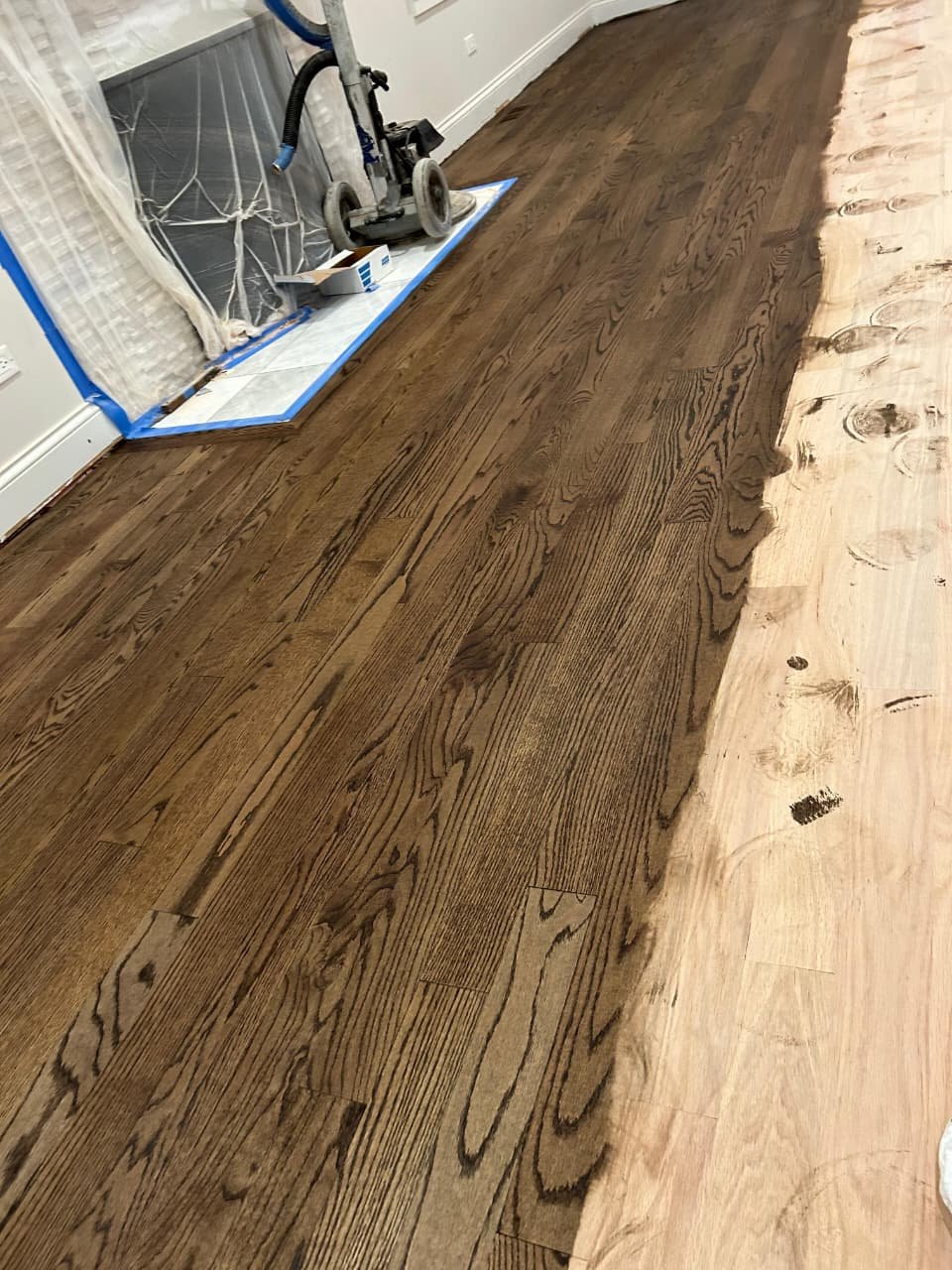
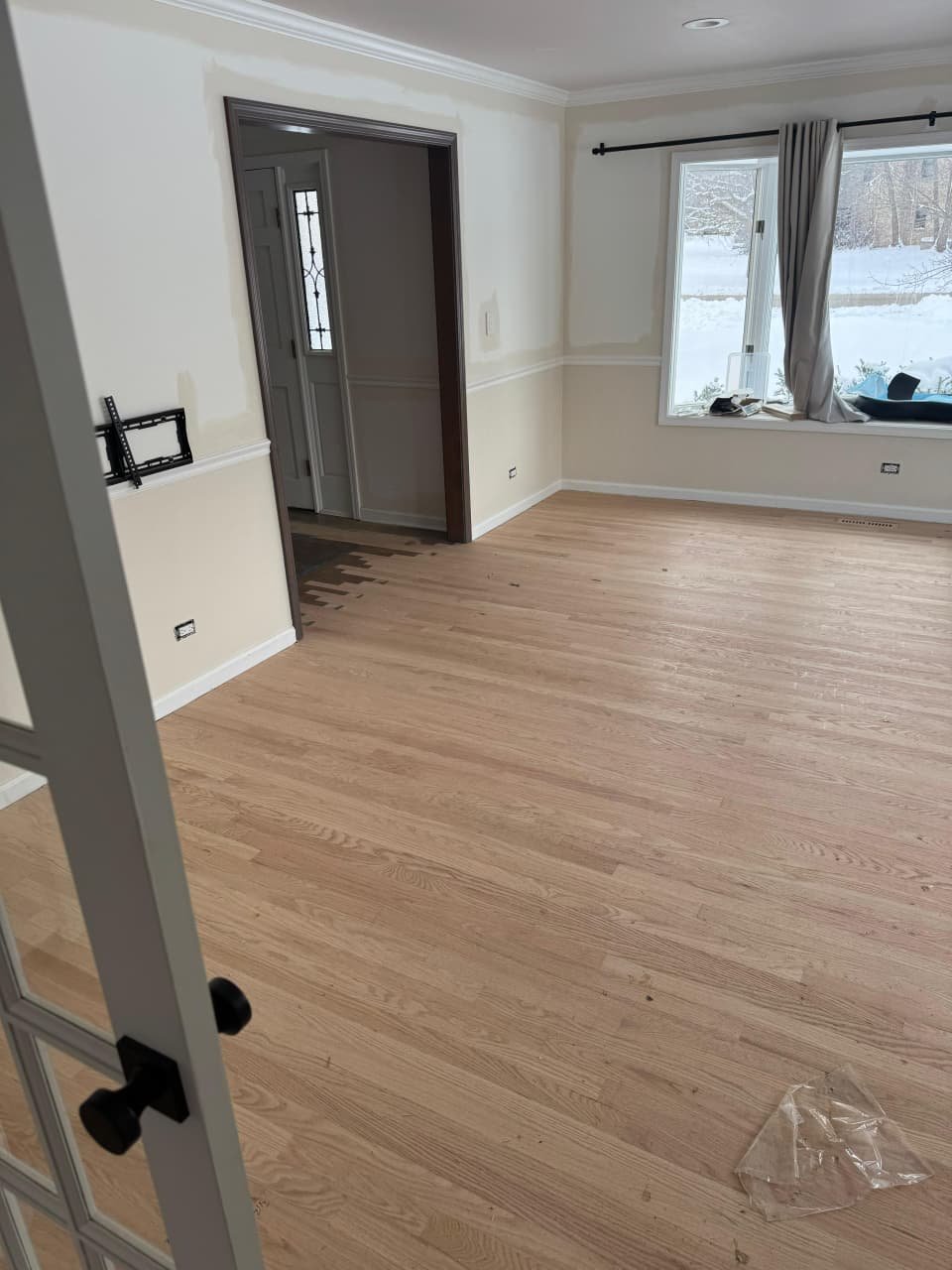
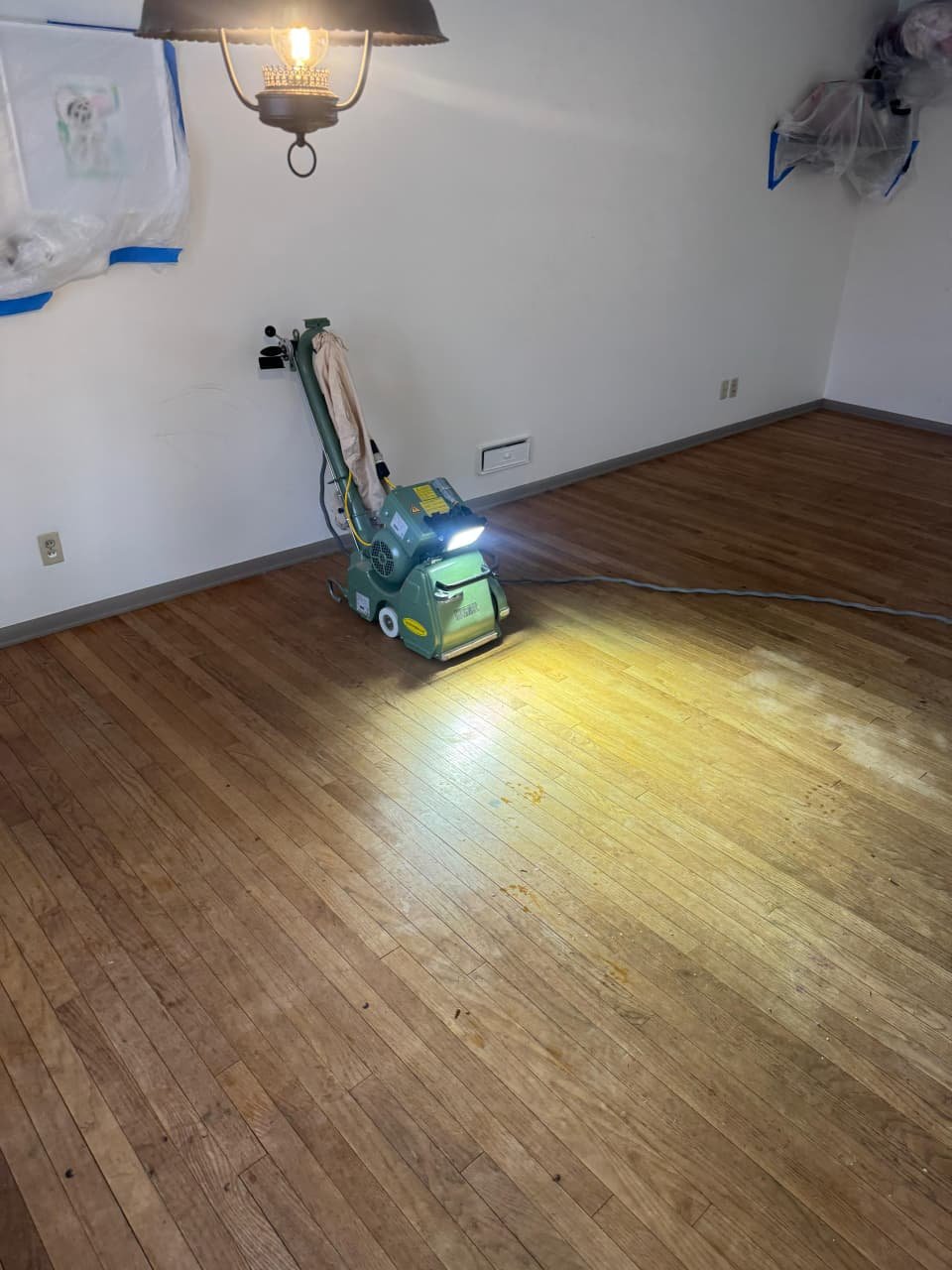
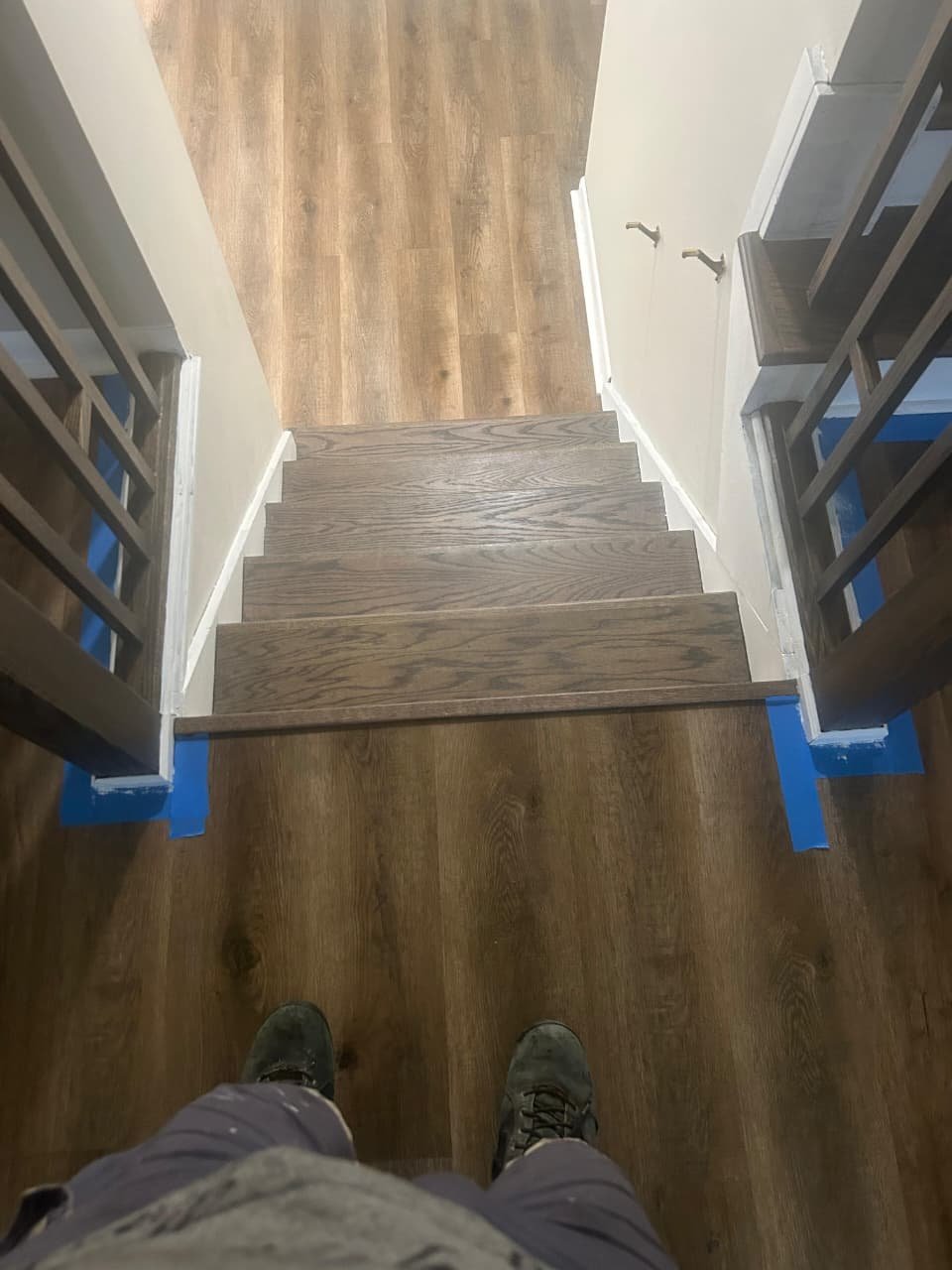
View our before-and-after photos to see the quality of our work across hardwood refinishing, vinyl installation, and commercial flooring projects.
Residential Flooring Services in Rockford, IL
We help homeowners upgrade their spaces with durable and professionally installed flooring. Every project is completed with proper preparation and attention to detail.
Hardwood Floor Installation
Professional installation of solid and engineered hardwood flooring using proper techniques for long-term durability.
Hardwood Floor Refinishing and Sanding
We sand, repair, stain, and apply multiple finish coats to restore the original beauty of your floors.
Vinyl Plank (LVP) Installation
Durable, water-resistant flooring installed over properly prepared subfloors.
Laminate Flooring Installation
Affordable and clean flooring solutions ideal for residential spaces.
Floor Repair & Subfloor Preparation
We repair damaged areas and prepare subfloors to ensure a stable and long-lasting installation.
View All Residential Flooring Services
View All Commercial Flooring Services
Commercial Flooring Services in Rockford, IL
We provide flooring solutions for commercial properties including offices, retail stores, restaurants, medical facilities, and multi-unit buildings.
Our team focuses on completing projects efficiently while minimizing disruption to your business operations.
- Offices
- Retail Stores
- Restaurants
- Medical Facilities
- Apartment Buildings
- Multi-Unit Complexes
- Commercial Hardwood Flooring
- Commercial Floor Refinishing
- Commercial Vinyl & Laminate Flooring
- Floor Removal & Replacement
We understand that commercial clients require efficient project management, minimal disruption, and strict adherence to deadlines. Our team coordinates closely with business owners and managers to plan installations or refinishing work around operating hours, ensuring projects are completed on time and with minimal impact on daily operations.Attention to detail, safety, and clear communication are at the core of every commercial project we undertake. If your business needs hardwood flooring Rockford IL can rely on, our team delivers every time.
Professional Hardwood Flooring in Rockford, IL
If you’re looking for reliable hardwood flooring in Rockford, IL, our team provides installation, refinishing, and repair services designed for long-term performance and clean results.
Serving Rockford, IL and Nearby Areas
• Rockford, IL
• Loves Park, IL
• Machesney Park, IL
• Roscoe, IL
• Rockton, IL
• Cherry Valley, IL
Our Hardwood Flooring Process in Rockford, IL
Our process is designed to deliver consistent, high-quality results on every project. Whether it’s hardwood floor refinishing or installation in Rockford, IL, we focus on proper preparation, attention to detail, and a clean finish.
Preparation & Protection
We protect surrounding areas, cover surfaces, and prepare the workspace to keep your home clean during the project.
Sanding or Subfloor Preparation
We sand existing hardwood floors or prepare the subfloor to ensure a smooth and level surface before installation.
Detail Work & Repairs
We handle edges, corners, and minor repairs to ensure a consistent and professional finish.
Stain & Finish Application
We apply stain and multiple finish coats for durability and long-term protection.
Final Inspection & Cleanup
We complete a final walkthrough and leave the space clean, ready for use.
What Our Customers Say About Our Flooring Services in Rockford, IL
We take pride in delivering professional hardwood flooring services in Rockford, IL. Our customers consistently highlight our attention to detail, clean work process, and reliable results.
Posted onTrustindex verifies that the original source of the review is Google. Professional, timely, clear, and absolutely an expert on wood floors. Showed up exactly on time, was able to evaluate and accurately estimate the work in minutes (I think he left less than ten minutes after he arrived to do the estimate), and got the work done quickly and professionally. He had questions about matching colors I didn't even notice were different, absolutely had a higher dedication to the quality of the work than I was even qualified to have myself. Responsive and polite, with a very competitive rate, if I need more work done on my wood floors I won't even talk to anyone else. You should definitely hire this man.Posted onTrustindex verifies that the original source of the review is Google. Ramos Wood Floors LLC replaced our carpet with beautiful oak hardwood flooring. The installation was done professionally and the result looks great. We’re very satisfied with their work and would recommend them to anyone looking for quality flooring service.Posted onTrustindex verifies that the original source of the review is Google. Daniel and his crew were very efficient and pleasant to work with. Workmanship was top notch and they left my jobsite cleaner than it was when they started. They installed prefinished tongue and groove flooring (approximately 500 sq feet at my job in Long Grove Illinois. I would definitely recommend Ramos wood Floors.Posted onTrustindex verifies that the original source of the review is Google. Good team and good service doing the floor of my house.Posted onTrustindex verifies that the original source of the review is Google. Ramos Wood Floors refinished our hardwood floors and brought them back to life on our home in Crystal Lake. Highly recommend them!Posted onTrustindex verifies that the original source of the review is Google. Great job Daniel, you were a joy to work with. On time, responsive, informative and quality work!Posted onTrustindex verifies that the original source of the review is Google. Ramos Floors did an excellent job for me. They stayed on schedule and were very particular about the small details.Posted onTrustindex verifies that the original source of the review is Google. We recently had wood floors installed in our home, and the experience with Ramos Wood Floors was absolutely fantastic from start to finish. The team was professional, reliable and they are incredibly skilled at their work. They took the time to answer our questions, kept everything clean and organized, and made the whole process stress-free. The craftsmanship is beautiful—the floors turned out even better than we imagined. If you are considering new floors I would highly recommend Ramos Wood Floor LLC. They went above and beyond, and we couldn’t be happier with the results!Posted onTrustindex verifies that the original source of the review is Google. I would highly recommend Ramos Wood Floors. We had hard wood put down in our living room and also had the entire first floor sanded and stained. Incredible job matching the new floor with the old. Great job and thank you.Posted onTrustindex verifies that the original source of the review is Google. Hard wood floors and railings look great! Thank you for the extra efforts- Greg Lafin
Frequently Asked Questions About Hardwood Flooring in Rockford, IL
Get a Free Hardwood Flooring Estimate in Rockford, IL
If you’re planning a hardwood flooring project in Rockford, IL or nearby areas, we can provide a clear estimate and explain the process step by step.
Whether you need floor refinishing, installation, or repairs, our team is ready to help.